Repair

Repair Services
When a "small" repair involves multiple trades and real building science, it's not a handyman job. It's a general contractor job.
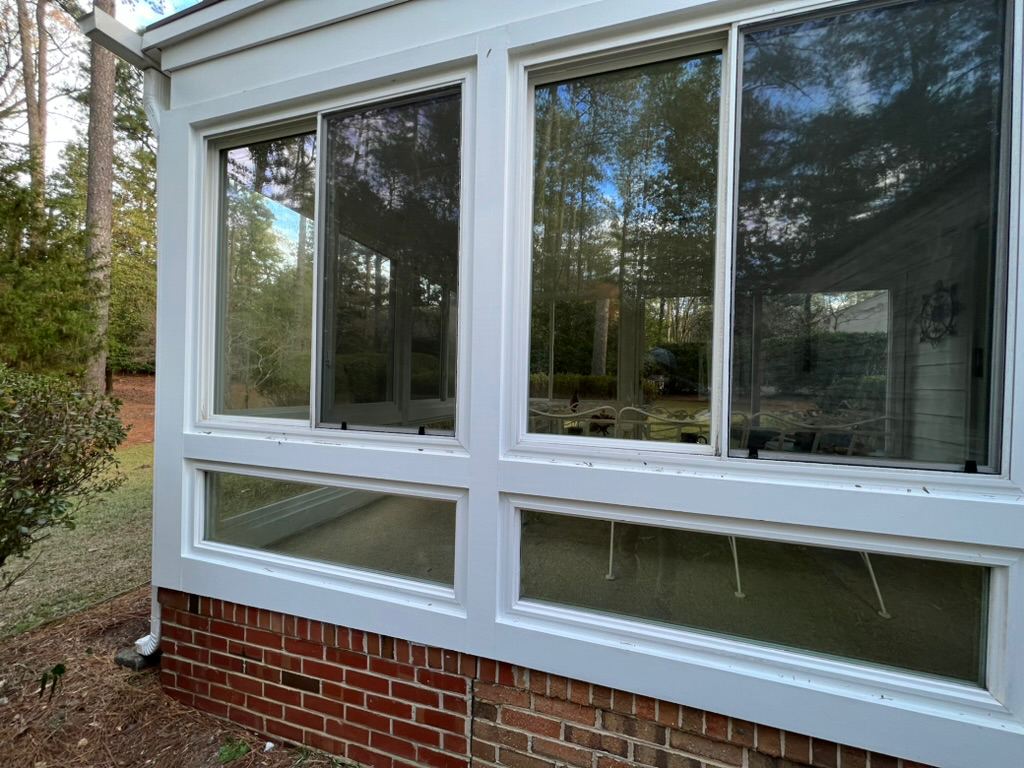
Some repairs look small on the surface. A leak under a window. A crack above a door. Soft flooring near a tub. But behind that visible symptom is often a chain of interconnected systems — framing, moisture barriers, electrical, plumbing, HVAC, insulation — that all have to work together correctly.
A handyman can patch drywall. But when the real problem is a flashing failure that's been wicking moisture into your wall cavity for three years, rotting the framing and compromising the vapor barrier — that patch is just covering up a bigger issue.
These are the repairs that require a general contractor with deep knowledge of how a home actually works.
A complicated small repair often touches plumbing, electrical, framing, insulation, and finish work — all in a space the size of a closet. Each trade has its own code requirements, sequencing needs, and best practices. Without a general contractor coordinating the work, trades step on each other, inspections get missed, and the repair creates new problems.
Understanding how moisture moves through a wall assembly. Knowing where a thermal bridge will cause condensation. Recognizing when a ventilation change upstream caused a mold problem downstream. This is building science — the kind of in-depth knowledge that separates a proper repair from a cosmetic cover-up. Getting it wrong doesn't just mean the problem comes back. It means the problem gets worse while looking fixed.
The most expensive part of a complicated repair isn't the fix — it's misdiagnosing the root cause. We take the time to understand what's actually happening before we open a wall. That means fewer surprises, less scope creep, and a repair that actually solves the problem the first time.
"The cheapest repair is the one that's done correctly the first time."
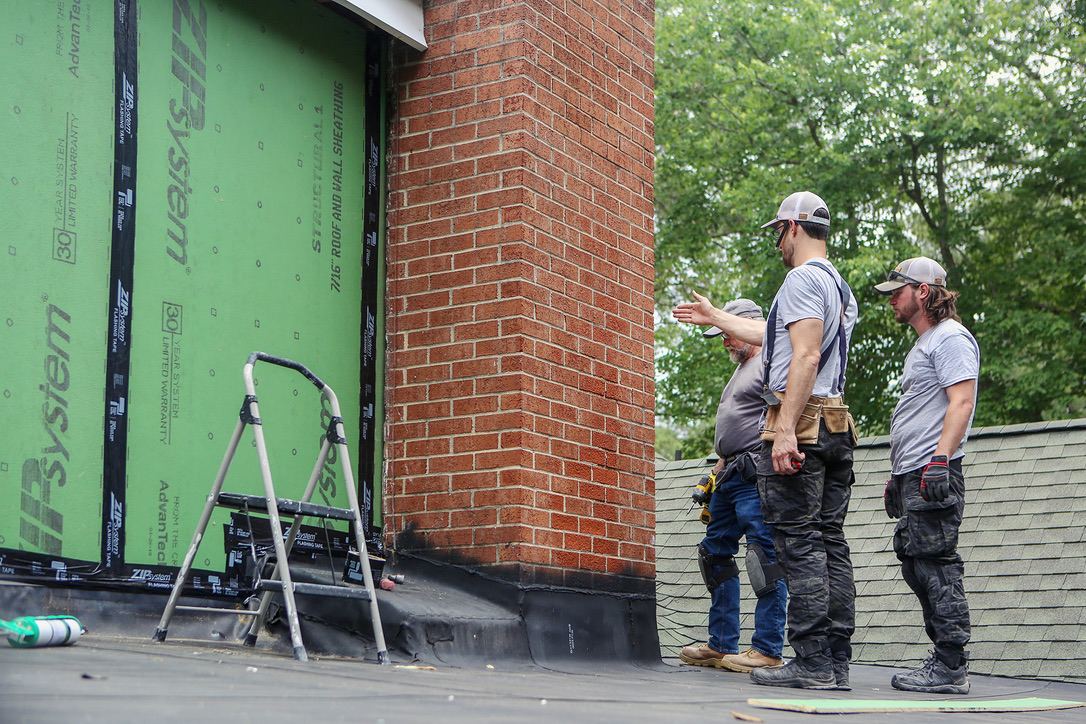
If you've had a handyman look at it and the problem keeps coming back — or if you suspect there's more going on behind the wall — let's talk.
Start the Survey